

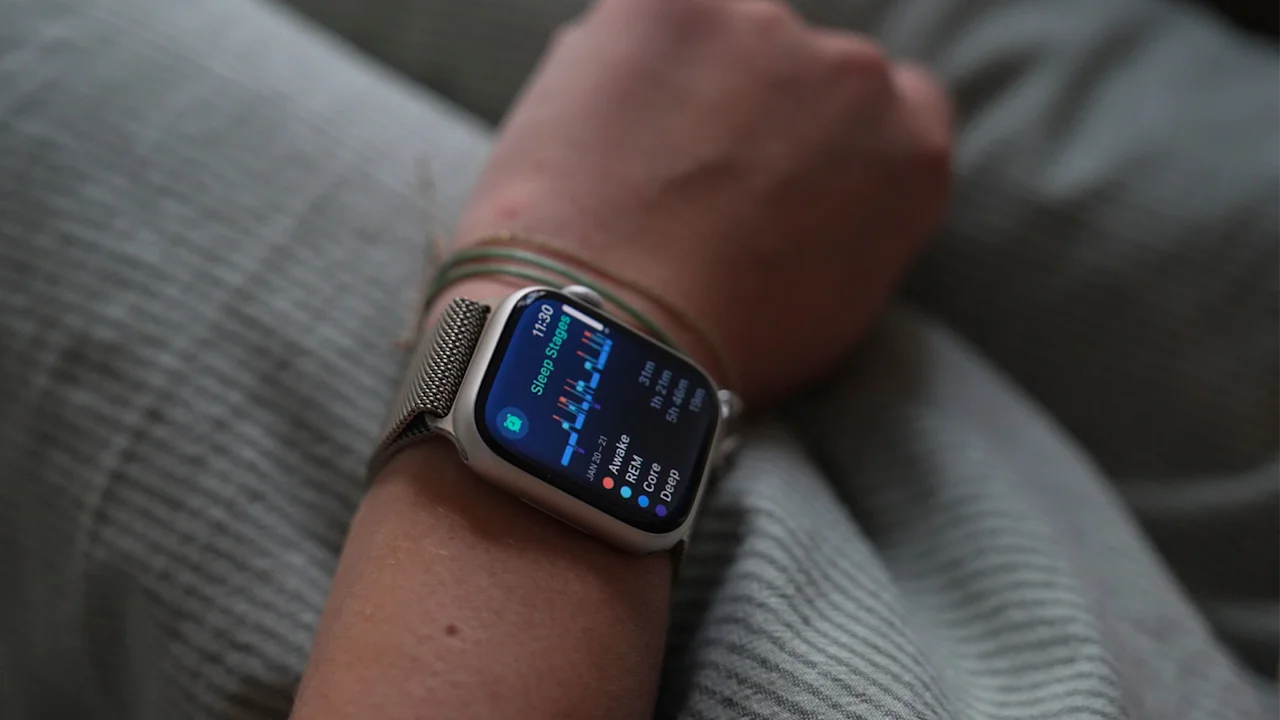
Millions of people rely on apps, devices and sensors to monitor how well they’re sleeping.
Your watch says you had three hours of deep sleep. Should you believe it?
Millions of people rely on phone apps and wearable devices like rings, smartwatches and sensors to monitor how well they’re sleeping, but these trackers don’t necessarily measure sleep directly. Instead, they infer states of slumber from signals like heart rate and movement, raising questions about how reliable the information is and how seriously it should be taken.
The U.S. sleep-tracking devices market generated about $5 billion in 2023 and is expected to double in revenue by 2030, according to market research firm Grand View Research. As the devices continue to gain popularity, experts say it is important to understand what they can and cannot tell you, and how their data should be used.
Here’s a look at the technology — and why one expert thinks its full potential has yet to be realized.


