

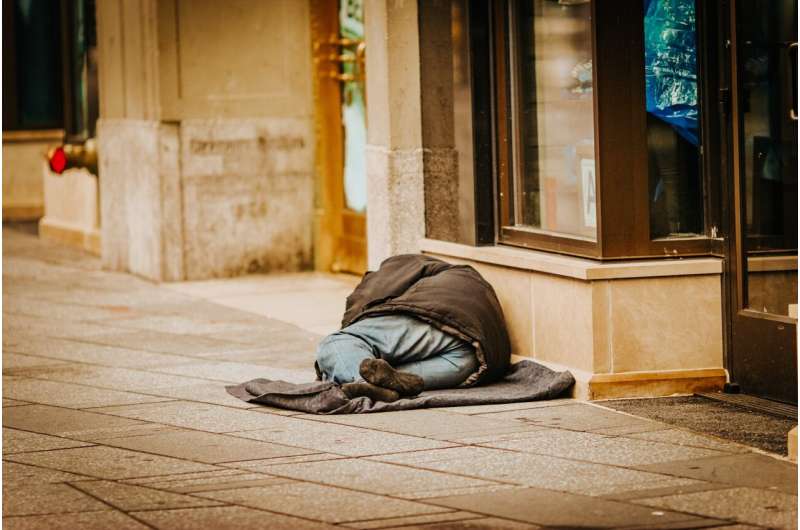
Shigella, an increasingly hard to treat bacterial infection, is on the rise in Philadelphia, especially among people who are experiencing homelessness or use opioids.
Eighty cases were reported to city health officials last year in October and November combined, according to an advisory issued last month by the Philadelphia Department of Health. They included 12 children who were infected.
In comparison, fewer than 10 cases were reported per month from January through September 2023.
Shigella is a germ that causes bloody diarrhea, fever, and stomach pain. It passes from one person to another when small amounts of fecal matter are ingested, which can happen when people do not wash their hands after using the bathroom, during sex, and by drinking dirty water. People experiencing homelessness and without access to clean bathrooms are at higher risk of a shigella infection.
Infected patients can get well without treatment, but more serious cases can require antibiotic drugs. Shigella can be fatal.
“This is more than the typical food poisoning that people experience,” said Richard Ebright, a microbiologist at Rutgers University. “This is a much more severe infection.”
Last year, the Centers for Disease Control and Prevention warned of a rise in shigella strains that can evade antibiotics. The city has not detected locally the strains of shigella that are resistant to nearly all antibiotics.
Still, lab testing on the strains circulating in Philadelphia show that many of the antibiotics that were typically used to treat the disease are often no longer effective, the health department noted. The development means health care providers cannot rely on some common and easily accessible antibiotics, said David Hyun, the director of the antibiotic resistance project at Pew Charitable Trusts.
“We’ve been gradually seeing resistance patterns going up,” Hyun said.
To prevent the spread of shigella, health officials encourage washing hands with soap after using the bathroom and before handling food. People who had shigella should avoid having sex for two weeks or use a condom.
2024 The Philadelphia Inquirer, LLC. Distributed by Tribune Content Agency, LLC.
Citation:
Shigella: An antibiotic-resistant bacteria is rising among Philly’s homeless population (2024, January 14)
retrieved 14 January 2024
from https://medicalxpress.com/news/2024-01-shigella-antibiotic-resistant-bacteria-philly.html
This document is subject to copyright. Apart from any fair dealing for the purpose of private study or research, no
part may be reproduced without the written permission. The content is provided for information purposes only.


