

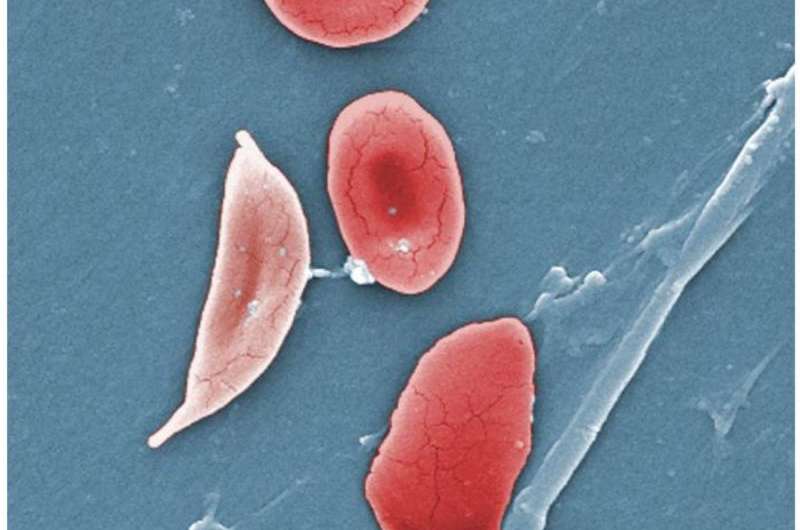
A modeling study comparing the cost-effectiveness of gene therapy versus common care for patients with sickle cell disease found that gene therapy is beneficial in this patient population and likely cost-effective if the price stays below $2 million per person. The findings are published in Annals of Internal Medicine.
Researchers from the University of Washington and the Fred Hutchinson Cancer Research Center applied two independently developed simulation models to Centers for Medicare & Medicaid Services (CMS) claims data from 2008 to 2016 and published literature to evaluate the cost-effectiveness of gene therapy for SCD and its value-based prices.
The University of Washington Model for Economic Analysis of Sickle Cell Cure (UW-MEASURE) and the Fred Hutchinson Institute Sickle Cell Disease Outcomes Research and Economics Model (FH-HISCORE) simulated the progression of SCD under real-world–based care methods to estimate costs and outcomes over a lifetime from both the health care sector and societal perspectives with and without gene therapy. The models assumed a $2 million price for gene therapy.
From the health care sector perspective, the UW-MEASURE estimated an incremental cost-effectiveness ratio (ICER) of $193,000 per quality-adjusted life year (QALY) and the FH-HISCORE estimated an ICER of $427,000 per QALY. Under the societal perspective, UW-MEASURE estimated an ICER of $126,000 per QALY and FHHISCORE estimated an ICER of $281,000 per QALY.
The authors note that both models projected fewer pain crisis events with gene therapy over a lifetime, which can offset the high upfront administration costs of gene therapy, greatly improve patients‘ prospects for long-term employment, decrease or possibly eliminate caregiver burden, and substantially improve recipients’ life expectancy and recipients’ and caregivers’ quality of life.
They recommend that future work comparing the clinical and economic effects of gene therapy versus stem cell transplantation will assist decision-makers in guiding patients to the most appropriate and cost-effective therapy.
More information:
Annals of Internal Medicine (2024). www.acpjournals.org/doi/10.7326/M23-1520
Citation:
Analysis shows gene therapy beneficial and likely cost-effective for patients with sickle cell disease (2024, January 22)
retrieved 22 January 2024
from https://medicalxpress.com/news/2024-01-analysis-gene-therapy-beneficial-effective.html
This document is subject to copyright. Apart from any fair dealing for the purpose of private study or research, no
part may be reproduced without the written permission. The content is provided for information purposes only.


